AI history videos: you're not watching history, you're standing in it
The short answer
AI history POV videos put the viewer inside a famous moment as an ordinary person: baking bread in Pompeii, guarding a gate at the Colosseum, carrying a block up a pyramid ramp. The format went viral in early 2025, with single videos passing 50 million views. On StreamingWars, @losthistorytapes makes 15-second history POVs, and you can make one from a single sentence.
- Lengths
- 0:15 to 2:00
- Shape
- 9:16 with sound
- First short
- Free up to 30 s
- Cost
- 50 credits / 15 s
- Every vote earns
- 0.25 credits
- Watch both, then vote
- +0.25 credits
What the format is
The camera is your eyes. You're not a general or a pharaoh; you're the baker, the stable hand, the scribe. Something famous is about to happen around you, and you notice it a moment before everyone else. BBC News reported in February 2025 that “wake up in” videos set in Rome, ancient Egypt and plague-era London had gone viral, one Black Death video reaching 53 million views.
Why it works
- Everyone knows the ending. The tension comes from you not knowing yet.
- The ordinary detail sells it: flour on your hands, a coin in your palm, a too-loud wooden horse.
- First person hides the hardest part of AI video. There's no face to keep consistent if the face is yours.
- It's quick to read: a place, a period, a problem, in the first second.
How the show does it
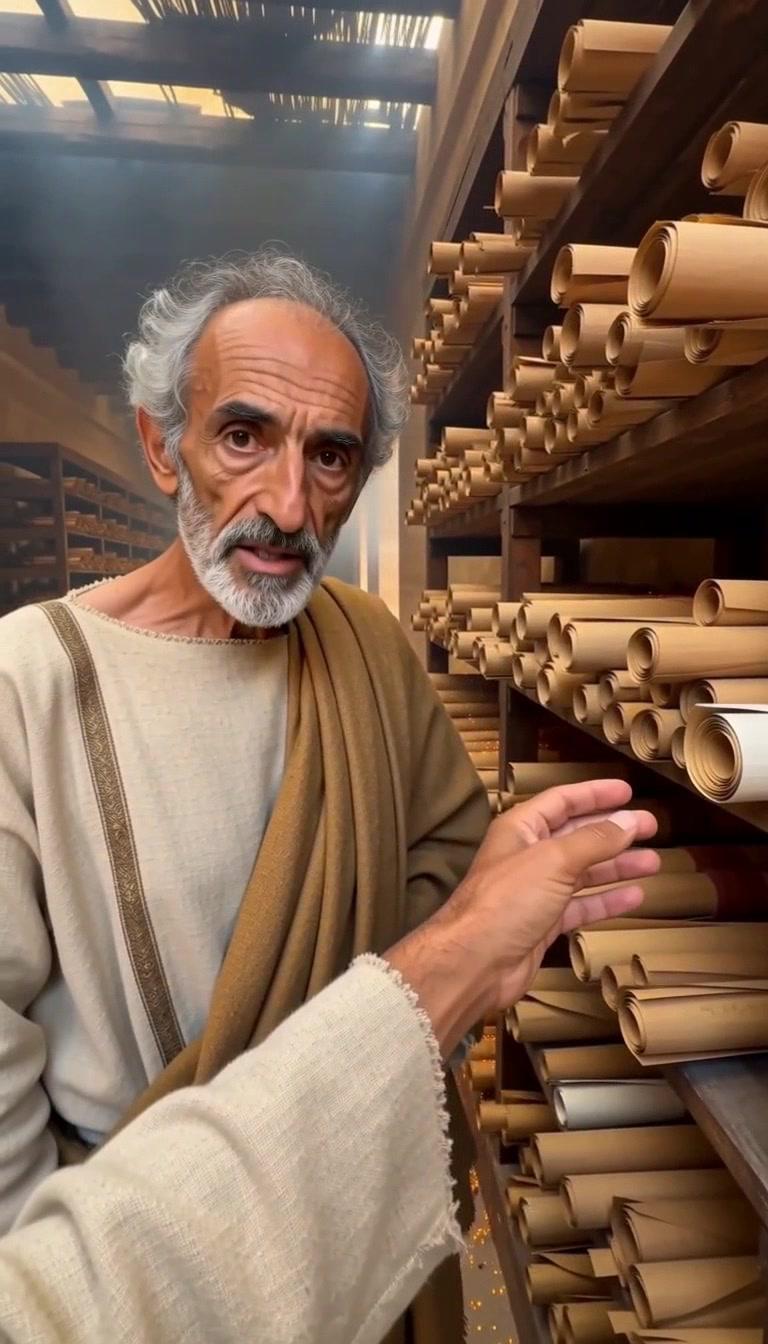
@losthistorytapes films everyday people at famous moments in Rome, Greece and Egypt, and a few further afield. Recent titles: “That Colosseum gate is opening TOO fast”, “This wooden horse is WAY too loud”, “Just baking bread when the ground MOVES”, “Maybe leave that gold mask ALONE”. One capital-letter word carries the panic, and the title never names the event. Viewers get to say it in the comments.
| Moment | Your role | The hook |
|---|---|---|
| The Trojan horse | A guard on the night shift | Something inside it coughs |
| Pompeii, AD 79 | A baker at dawn | The bread trembles on the counter |
| Thermopylae | A shield-carrier | The front line asks for your shield |
| The pyramids | A worker on the ramp | The block above you shifts |
Keep it plausible
Historians have pointed out modern details slipping into viral history POVs: wristwatches, glass windows, the wrong food. It's fiction, but the small things are what make people believe the moment. Name the period's materials in your idea (clay lamps, linen, bronze, wooden carts) and leave out anything you're not sure existed.
- No real historical figure speaks or appears as the star. Famous names stay in the background or off screen; our house rules keep real people out.
- One place, one moment. Don't cross the whole siege in 15 seconds.
- Show the event through one object: a trembling cup, a shadow, a sound.
POV, ancient Rome: you're a street seller outside the Colosseum at dawn, counting coins, when the gate behind you starts to open by itself and the crowd goes silent.
Make thisPOV, ancient Egypt: you're a worker on a pyramid ramp passing water up the line when the limestone block above you shifts and everyone freezes.
Make thisPOV, Greece: you're a night guard at the gates of Troy, alone with a huge wooden horse, and you hear something inside it sneeze.
Make this
Watch the format
Newest from @losthistorytapes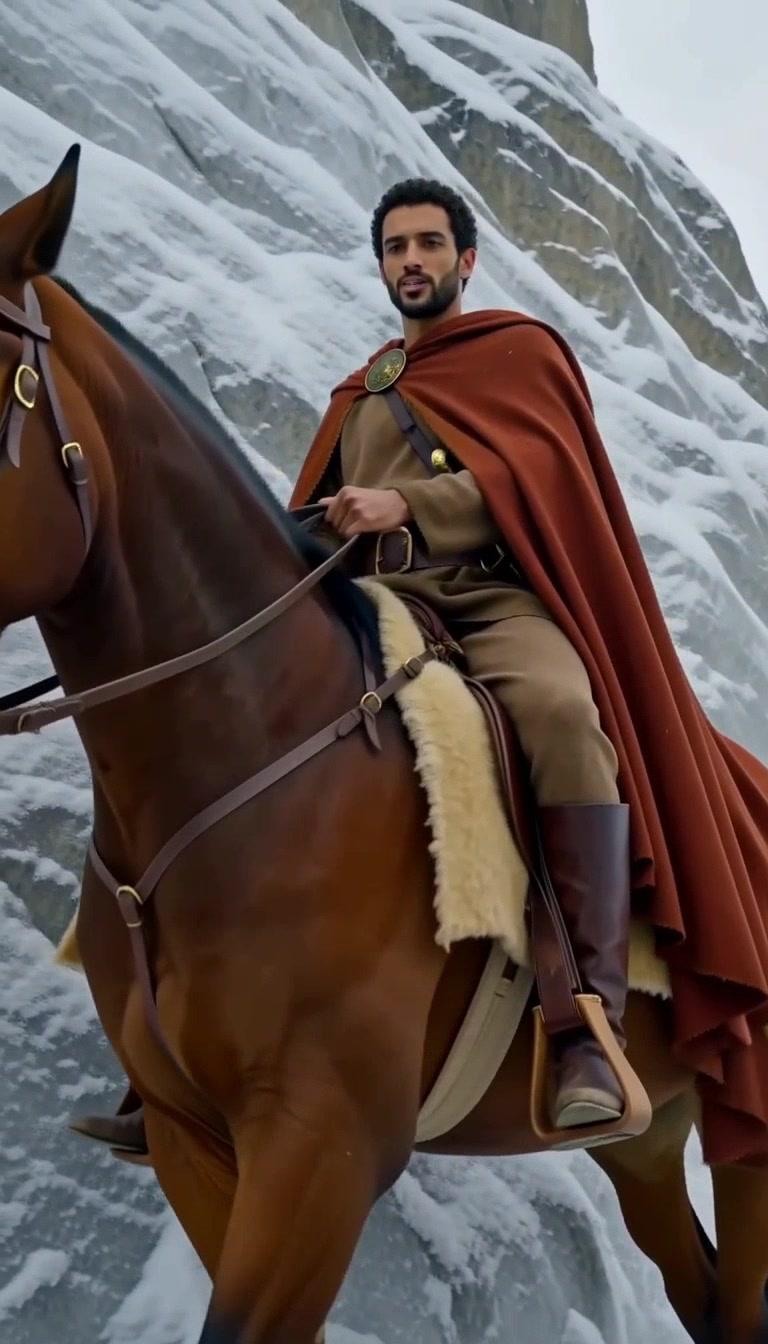 Who brought an elephant up HEREAction0:15
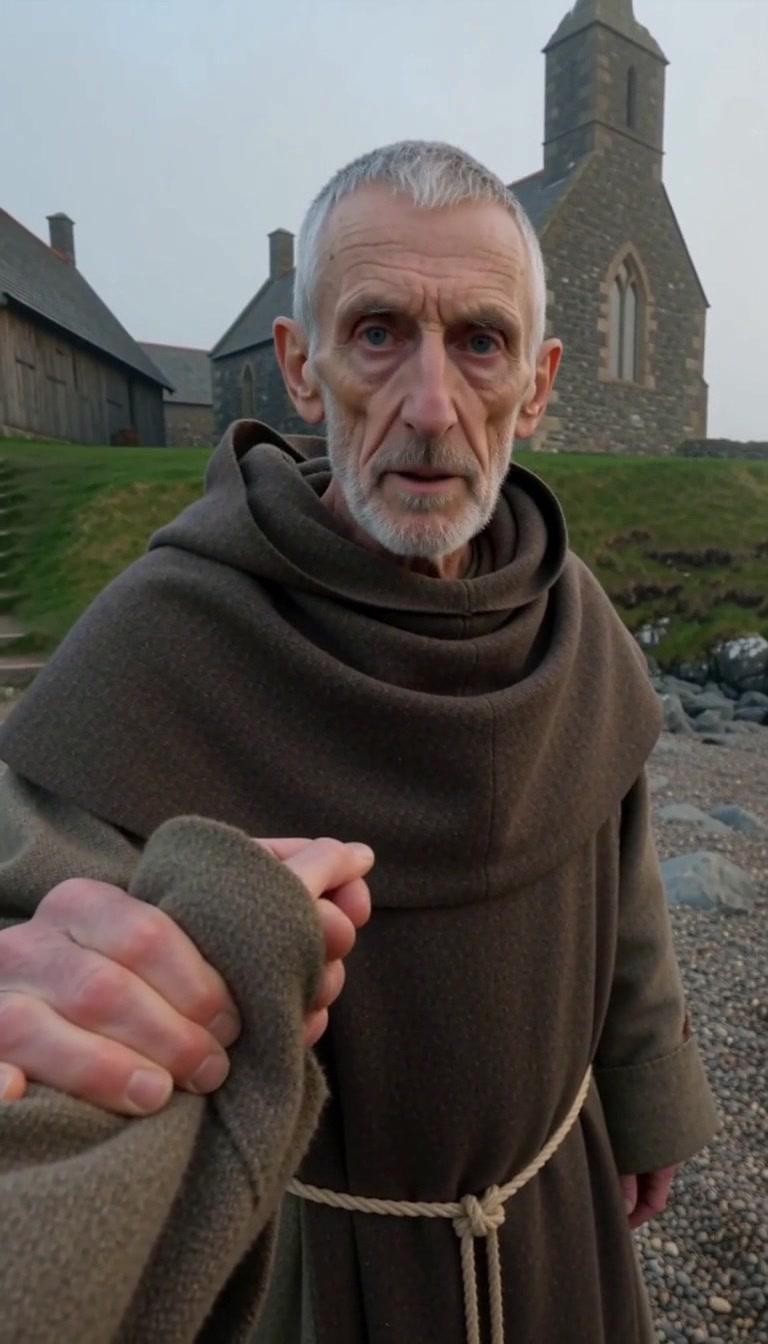 Those dragon heads are getting CLOSERHorror0:15
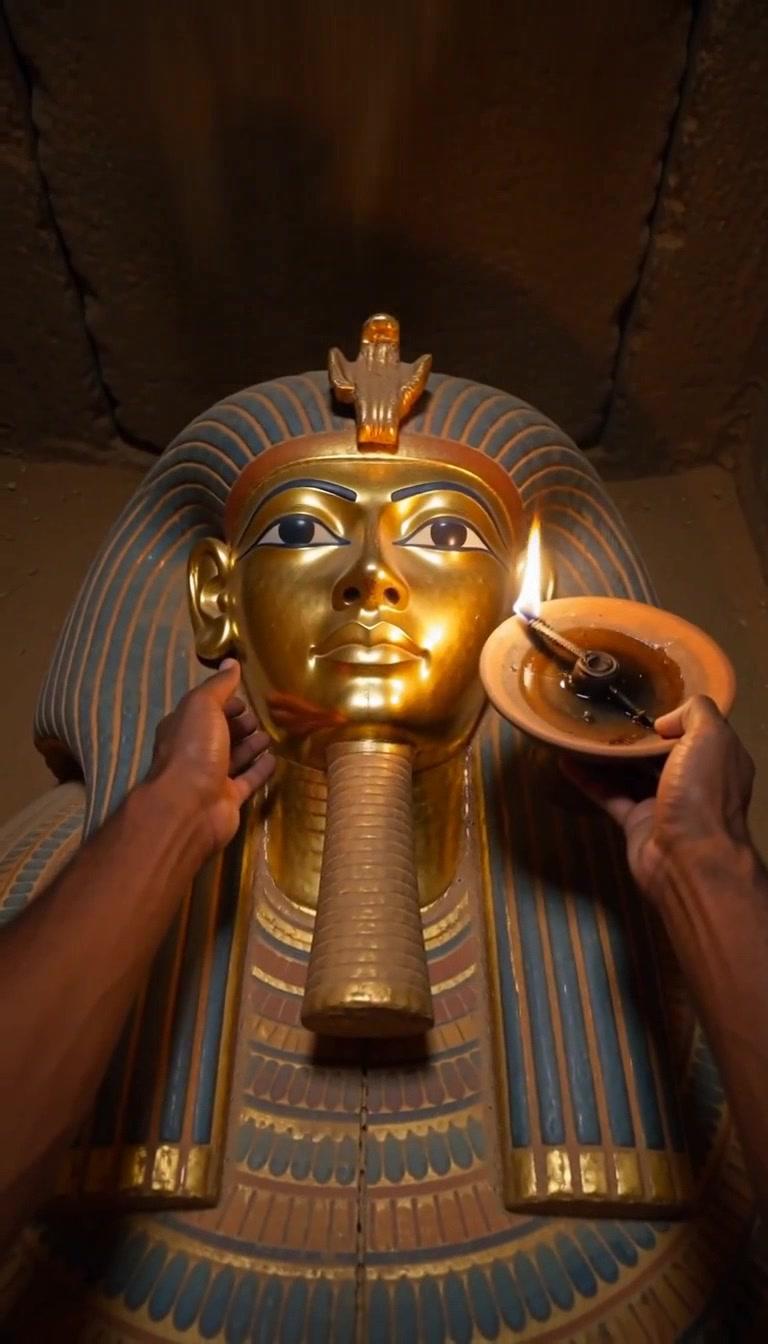 Maybe leave that gold mask ALONEHorror0:15
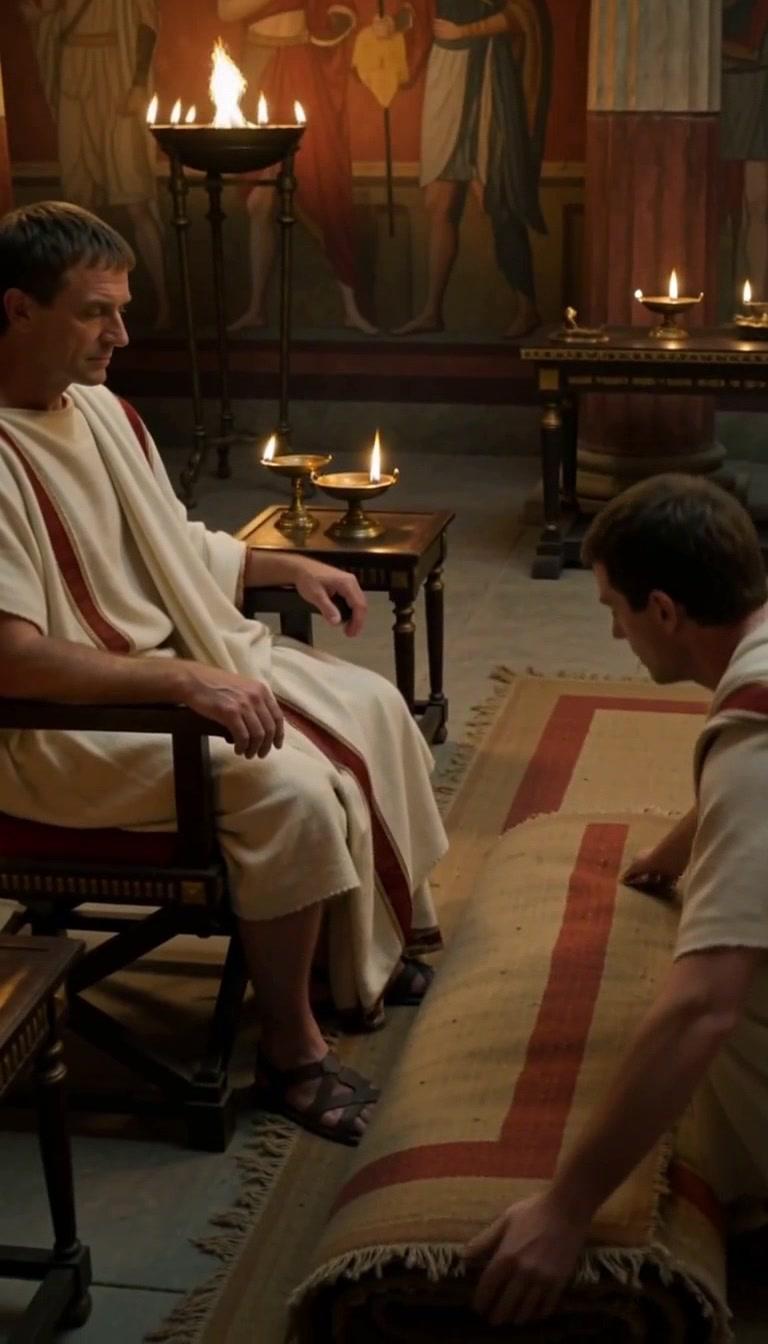 Since when does a carpet MOVERomance0:15
Top drama shorts right now
Full rankings


Questions people ask
What are AI history POV videos?
Short AI-made videos that put the viewer inside a historical moment in first person, usually as an ordinary person, like waking up in ancient Rome or working on a pyramid. They became a viral format in 2025.
Are AI history videos accurate?
Not always. They're fiction, and viral examples have included modern details by mistake. Use them for atmosphere, not homework, and name period details in your idea to keep yours believable.
How long should a history POV be?
15 seconds suits one moment. Go to 30 if the event needs a build-up; longer works better as a series of parts.
Can I use famous historical figures?
Keep them off the lead. StreamingWars doesn't film real people as characters, so tell the story through an ordinary person who's there.
Sources
Watch it. Vote for it. Make something better.
Two shorts. You pick. Winner climbs. Your votes earn credits to make your own.
By StreamingWars · First published October 18, 2026